
TOP DESIGN TRENDS FOR CUSTOM HOMES IN 2025
- CodeFlowSolutions Solutions

- Dec 3, 2025
- 4 min read
As design evolves, so does the desire for homes that are stylish, functional, and sustainable. Here are…
Embracing Sustainable Materials and Practices
Sustainability continues to be a major influence in home design. In 2025, custom homes will increasingly use eco-friendly materials that reduce environmental impact without sacrificing style.
Reclaimed Wood and Natural Stone
Using reclaimed wood for flooring, cabinetry, and accent walls adds warmth and character while reducing waste. Natural stone, such as granite or slate, remains popular for countertops and exterior cladding due to its durability and timeless appeal.
Low-Impact Insulation and Paints
New insulation materials made from recycled fibers and low-VOC (volatile organic compound) paints improve indoor air quality and energy efficiency. These choices help reduce the home's carbon footprint and create healthier living environments.
Solar-Ready Roofs and Energy Systems
Custom homes are designed with solar panels in mind, integrating them seamlessly into rooflines. Energy storage systems paired with solar power allow homeowners to reduce reliance on the grid and lower utility costs.
Open Floor Plans with Defined Zones
Open floor plans remain popular but are evolving to offer more defined spaces within the open concept. This approach balances spaciousness with functionality.
Flexible Room Dividers
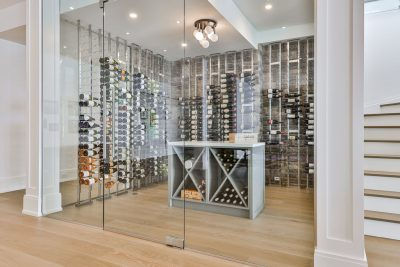
Sliding panels, glass partitions, or shelving units create separation without closing off rooms completely. These elements allow homeowners to adjust spaces based on their needs, such as creating a quiet office area or a play zone for children.
Multi-Functional Spaces
Rooms serve multiple purposes, like a guest bedroom that doubles as a home gym or a dining area that transforms into a workspace. Custom built-ins and furniture that fold away help maximize space.
Natural Light and Views
Large windows and skylights bring in natural light and connect indoor spaces with the outdoors. Positioning rooms to capture views enhances the feeling of openness and tranquility.
Smart Home Integration for Convenience and Security
Technology is becoming an integral part of custom home design. Smart systems improve comfort, security, and energy management.
Voice and App Control
Lighting, heating, cooling, and security systems can be controlled remotely or by voice commands. This convenience allows homeowners to adjust settings easily and monitor their homes from anywhere.
Automated Shades and Lighting
Sensors adjust window coverings and lighting based on time of day and occupancy, improving energy efficiency and comfort.
Advanced Security Features
Smart locks, video doorbells, and surveillance cameras provide peace of mind. Integration with mobile devices allows real-time alerts and remote access control.
Biophilic Design to Connect with Nature
Biophilic design focuses on incorporating natural elements into the home to improve well-being and reduce stress.
Indoor Gardens and Green Walls
Living walls with plants or small indoor gardens bring greenery inside, improving air quality and creating a calming atmosphere.
Natural Materials and Textures
Wood, stone, and natural fibers are used throughout interiors to create tactile and visual connections to nature.
Water Features and Natural Light
Small indoor fountains or water walls add soothing sounds, while maximizing daylight through windows and skylights enhances mood and energy.
Minimalist Aesthetics with Warmth
Minimalism remains a strong trend but with a focus on warmth and comfort rather than starkness.
Clean Lines and Simple Forms
Furniture and architectural details emphasize simplicity and function, avoiding unnecessary ornamentation.
Warm Color Palettes
Soft neutrals, earth tones, and muted colors create inviting spaces that feel cozy yet uncluttered.
Textural Contrast
Combining smooth surfaces with textured fabrics or natural materials adds depth and interest without overwhelming the senses.
Outdoor Living Spaces as Extensions of the Home
Custom homes in 2025 blur the line between indoor and outdoor living, creating seamless transitions.
Covered Patios and Outdoor Kitchens
These features allow for year-round use of outdoor spaces, perfect for entertaining or relaxing.
Fire Pits and Seating Areas
Fire features provide warmth and ambiance, encouraging gatherings and extending usability into cooler months.
Landscaping with Native Plants
Using native and drought-resistant plants reduces water use and maintenance while supporting local ecosystems.
Personalized and Artistic Touches
Homeowners want their custom homes to reflect their personalities and tastes through unique design elements.
Custom Art Installations
Sculptures, murals, or bespoke lighting fixtures add character and become focal points.
Handcrafted Details
Artisan-made tiles, woodwork, or metal accents bring craftsmanship and individuality to the space.
Color and Pattern Play
Bold accent walls, patterned textiles, or statement furniture pieces inject personality without overwhelming the overall design.
Energy Efficiency Beyond Solar
Energy efficiency goes beyond solar panels, with homes designed to minimize energy use through smart design.
Passive House Principles
Homes are oriented and insulated to maintain comfortable temperatures with minimal heating or cooling.
High-Performance Windows and Doors
Triple-glazed windows and insulated doors reduce heat loss and noise.
Efficient Appliances and Systems
Energy Star-rated appliances and HVAC systems reduce consumption and lower bills.
Conclusion
Custom homes in 2025 will combine sustainability, technology, and thoughtful design to create spaces that are beautiful, functional, and comfortable. Homeowners will enjoy flexible layouts, natural connections, and smart features that enhance daily living. By focusing on materials, energy efficiency, and personal touches, these homes will stand the test of time and reflect the values of those who live in them.


Comments